A
Mixed record
Apparel · ANF
A 2004 EEOC consent decree paid $50 million over a Look policy alleged to exclude African Americans, Latinos, Asian Americans, and women.
- Offense
- 1
- Poll voices
- 0
- Reviewed
- Aug 2026
Open the full file →
C
Mixed record
Energy · CVX
Texaco, later bought by Chevron, settled Roberts v. Texaco for $176.1 million after tapes and a Jesse Jackson boycott of Black-employee bias claims.
- Offense
- 1
- Poll voices
- 0
- Reviewed
- Aug 2026
Open the full file →
C
Reason for concern
Restaurants · CBRL
DOJ’s 2004 Title II case alleged discrimination against Black customers; press later reported a separate $8.7 million private settlement.
- Offenses
- 2
- Poll voices
- 0
- Reviewed
- Aug 2026
Open the full file →
D
Reason for concern
Public figure
The NBA banned Clippers owner Donald Sterling for life in 2014 after he told a girlfriend not to bring Black people to games.
- Offenses
- 2
- Poll voices
- 0
- Reviewed
- Aug 2026
Open the full file →
P
Reason for concern
Restaurants · PZZA
Founder John Schnatter used the n-word on a 2018 training call, resigned as chairman, and faced a Louisville Black-led boycott.
- Offenses
- 2
- Poll voices
- 0
- Reviewed
- Aug 2026
Open the full file →
T
Mixed record
Retail · TGT
Target pledged billions with Black-owned businesses, then ended or renamed several public DEI and supplier-diversity programs in 2025. Black faith and civil-rights leaders organized a boycott; they still disagree about whether it is over.
- Offenses
- 3
- Poll voices
- 1
- Reviewed
- Aug 2026
Open the full file →
U
Mixed record
Consumer goods · UL
Dove’s 2017 Facebook GIF showed a Black woman becoming a white woman; critics cited a racist soap trope and Dove pulled it.
- Offenses
- 2
- Poll voices
- 0
- Reviewed
- Aug 2026
Open the full file →
A
Mixed record
Apparel · ADDYY
Adidas pledged $20 million over four years in 2020 for U.S. Black-community programs and said at least 30% of new U.S. roles would be filled by Black and Latinx people. Those were company goals, not verified closeouts.
- Offense
- 1
- Poll voices
- 0
- Reviewed
- Aug 2026
Open the full file →
A
Reason for concern
Insurance
In 2000 Aetna apologized for selling 1850s policies that paid slaveholders when enslaved people died, and said it would not pay reparations.
- Offense
- 1
- Poll voices
- 0
- Reviewed
- Aug 2026
Open the full file →
A
Mixed record
Travel · ABNB
A 2015 Harvard field experiment found guests with Black-sounding names about 16% less likely to be accepted on Airbnb. The company later launched Project Lighthouse with Color Of Change to measure bias.
- Offense
- 1
- Poll voices
- 0
- Reviewed
- Aug 2026
Open the full file →
A
Reason for concern
Finance · ALLY
In 2013 CFPB and DOJ ordered Ally to pay $80 million plus an $18 million penalty over auto-loan pricing that harmed Black, Hispanic, and API borrowers.
- Offense
- 1
- Poll voices
- 0
- Reviewed
- Aug 2026
Open the full file →
A
Mixed record
Technology · GOOGL
Google pledged more than $175 million in 2020 for Black businesses, workers, and developers, then in 2025 dropped aspirational hiring goals that had included more than doubling Black workers. In December 2020 it ousted Ethical AI co-lead Timnit Gebru; Goo
- Offenses
- 3
- Poll voices
- 0
- Reviewed
- Aug 2026
Open the full file →
A
Mixed record
Retail and technology · AMZN
Amazon donated $10 million in 2020 to organizations working to improve the lives of Black and African Americans, including NAACP, the National Urban League, Thurgood Marshall College Fund, and UNCF.
- Offense
- 1
- Poll voices
- 0
- Reviewed
- Aug 2026
Open the full file →
A
Mixed record
Airlines · AAL
The NAACP issued a 2017 travel advisory for Black passengers, lifted it in 2018, and later said American disbanded the DEI panel from that deal.
- Offenses
- 2
- Poll voices
- 0
- Reviewed
- Aug 2026
Open the full file →
A
Mixed record
Financial services · AXP
American Express announced a $1 billion action plan in 2020 that included a goal of at least $100 million a year with Black-owned suppliers. The $1 billion headline is not a Black-only fund.
- Offense
- 1
- Poll voices
- 0
- Reviewed
- Aug 2026
Open the full file →
A
Reason for concern
Banking · ABCB
DOJ alleged Ameris redlined majority-Black and Hispanic census tracts in Jacksonville; a 2023 consent order required a \$5.5 million loan subsidy fund and other relief.
- Offense
- 1
- Poll voices
- 0
- Reviewed
- Aug 2026
Open the full file →
A
Mixed record
Technology · AAPL
Apple launched a $100 million Racial Equity and Justice Initiative in 2020, including HBCU work, and said in 2023 that investments had surpassed $200 million. Those totals are company-reported and not limited to Black Americans.
- Offense
- 1
- Poll voices
- 0
- Reviewed
- Aug 2026
Open the full file →
A
Reason for concern
Financial services · ASB
In 2015 HUD announced an approximately $200 million settlement resolving redlining allegations that Associated Bank underserved African-American and Hispanic borrowers and neighborhoods.
- Offense
- 1
- Poll voices
- 0
- Reviewed
- Aug 2026
Open the full file →
B
Mixed record
Food & beverage · BGS
In 2020 B&G Foods reviewed then removed Cream of Wheat’s Black chef image after saying it reminded some consumers of offensive historical depictions.
- Offense
- 1
- Poll voices
- 0
- Reviewed
- Aug 2026
Open the full file →
B
Reason for concern
Financial services
In 2016 CFPB and DOJ obtained a roughly $10.6 million consent order over Memphis redlining and alleged African-American underwriting and pricing discrimination.
- Offense
- 1
- Poll voices
- 0
- Reviewed
- Aug 2026
Open the full file →
B
Mixed record
Banking · BAC
Bank of America paid $335 million in 2011 to settle allegations that Countrywide discriminated against Black and Hispanic mortgage borrowers, and in 2020 pledged $1 billion over four years for racial equality in communities of color.
- Offenses
- 2
- Poll voices
- 0
- Reviewed
- Aug 2026
Open the full file →
B
Reason for concern
Retail
Black shoppers alleged 2013 detentions after luxury buys; New York’s AG later said Barneys would pay $525,000 over disproportionate detentions.
- Offense
- 1
- Poll voices
- 0
- Reviewed
- Aug 2026
Open the full file →
B
Mixed record
Automotive · BMWYY
EEOC settled a 2015 Title VII case against BMW’s Spartanburg plant for $1.6 million over a background screen alleged to hit Black logistics workers harder.
- Offense
- 1
- Poll voices
- 0
- Reviewed
- Aug 2026
Open the full file →
C
Reason for concern
Banking · COF
In 2018 the NAACP and LULAC sued Capital One, alleging it redlined Black and Latino communities by closing branches while using Black celebrities in ads; the bank denied discrimination.
- Offense
- 1
- Poll voices
- 0
- Reviewed
- Aug 2026
Open the full file →
C
Reason for concern
Media
In April 2007 CBS Radio fired Don Imus after he called the largely Black Rutgers women’s basketball team “nappy-headed hos,” following advertiser and civil-rights pressure.
- Offense
- 1
- Poll voices
- 0
- Reviewed
- Aug 2026
Open the full file →
C
Mixed record
Technology · CSCO
Cisco pledged $5 million in 2020 to racial-justice groups. A year later it told CNBC it had sent about $2 million to NAACP LDF, EJI, and other nonprofits—with about $2 million of the $5 million not yet distributed.
- Offense
- 1
- Poll voices
- 0
- Reviewed
- Aug 2026
Open the full file →
C
Mixed record
Banking · C
Citi launched Action for Racial Equity in 2020 as a $1 billion-plus mix aimed at the racial wealth gap, including Black homeownership and Black-owned suppliers. Most of the headline is banking and procurement, counted by the bank.
- Offense
- 1
- Poll voices
- 0
- Reviewed
- Aug 2026
Open the full file →
C
Mixed record
Finance
DOJ alleged City National redlined majority-Black and Hispanic L.A. neighborhoods; the 2023 order required at least $29.5 million in loan subsidies.
- Offense
- 1
- Poll voices
- 0
- Reviewed
- Aug 2026
Open the full file →
C
Reason for concern
Consumer goods · CL
Colgate’s Asian Darkie toothpaste used blackface packaging and a racial slur name; it became Darlie in 1989, and in 2020 Colgate said it would further evolve the still-controversial brand.
- Offense
- 1
- Poll voices
- 0
- Reviewed
- Aug 2026
Open the full file →
C
Mixed record
Media and telecommunications · CMCSA
Comcast pledged $100 million over three years in 2020 to fight injustice and inequality, naming Black-led groups including the National Urban League, Equal Justice Initiative, and NAACP among partners. The mandate was not a Black-only fund.
- Offense
- 1
- Poll voices
- 0
- Reviewed
- Aug 2026
Open the full file →
C
Reason for concern
Food & beverage · CAG
In June 2020 Conagra began a full review of Mrs. Butterworth’s after critics said the matronly bottle echoed a mammy stereotype; the company said it intended a loving grandmother.
- Offense
- 1
- Poll voices
- 0
- Reviewed
- Aug 2026
Open the full file →
C
Reason for concern
Beverages
Jay-Z and other hip-hop artists boycotted Cristal after the house’s director said rappers’ use of the brand could hurt its image.
- Offense
- 1
- Poll voices
- 0
- Reviewed
- Aug 2026
Open the full file →
D
Reason for concern
Restaurants · DENN
In 1994 Denny’s agreed to a then-record $54.4 million settlement of federal public-accommodations cases alleging Black customers were refused service or treated worse than white customers. The company settled; it was not a trial verdict.
- Offense
- 1
- Poll voices
- 0
- Reviewed
- Aug 2026
Open the full file →
D
Reason for concern
Retail · DDS
In 2020 Dillard's paid $900,000 to settle an EEOC suit alleging it failed to promote African American employees into supervisor and manager jobs.
- Offense
- 1
- Poll voices
- 0
- Reviewed
- Aug 2026
Open the full file →
D
Reason for concern
Retail · DG
Dollar General paid $6 million in 2019 to settle an EEOC suit alleging its criminal background checks denied jobs to African Americans at a higher rate than white applicants. The company denied liability.
- Offense
- 1
- Poll voices
- 0
- Reviewed
- Aug 2026
Open the full file →
D
Reason for concern
Public figure
On April 4, 2007, Don Imus called the largely Black Rutgers women’s basketball team “nappy-headed hos”; MSNBC then CBS fired him amid advertiser pullouts.
- Offense
- 1
- Poll voices
- 0
- Reviewed
- Aug 2026
Open the full file →
D
Reason for concern
Public figure
DOJ alleged anti-Black rentals in 1973; a 1975 decree admitted no liability. Later: 1989 death-penalty ads, a birther campaign against Obama, and 2018 remarks about African nations.
- Offenses
- 5
- Poll voices
- 0
- Reviewed
- Aug 2026
Open the full file →
E
Reason for concern
Public figure
Blum’s group sued Fearless Fund over a $20,000 grant limited to Black women; the 11th Circuit said it likely violated §1981, and Fearless dropped it.
- Offense
- 1
- Poll voices
- 0
- Reviewed
- Aug 2026
Open the full file →
F
Mixed record
Finance · FITB
In 2015 CFPB and DOJ required Fifth Third to pay $18 million to Black and Hispanic auto borrowers over higher dealer markups.
- Offense
- 1
- Poll voices
- 0
- Reviewed
- Aug 2026
Open the full file →
F
Reason for concern
Retail · FL
A federal jury found Foot Locker liable for intentionally refusing to promote Black manager Lloyd Brown to “non-ethnic” stores; the Fifth Circuit upheld liability in 2001.
- Offense
- 1
- Poll voices
- 0
- Reviewed
- Aug 2026
Open the full file →
F
Mixed record
Automotive · F
EEOC found reasonable cause of racial and sexual harassment at two Chicago Ford plants; Ford agreed to pay up to $10.125 million without admitting liability.
- Offense
- 1
- Poll voices
- 0
- Reviewed
- Aug 2026
Open the full file →
G
Mixed record
Automotive · GM
GM designated $10 million in 2020 for inclusion and racial-justice groups, including $1 million to the NAACP Legal Defense Fund. Those are company-stated donations, not a standing racial-equity bank.
- Offense
- 1
- Poll voices
- 0
- Reviewed
- Aug 2026
Open the full file →
G
Mixed record
Banking · GS
Goldman Sachs launched One Million Black Women in 2021 as $10 billion in investment capital and $100 million in philanthropy over 10 years. The $10 billion is commercial capital, not a $10 billion gift.
- Offense
- 1
- Poll voices
- 0
- Reviewed
- Aug 2026
Open the full file →
G
Reason for concern
Transportation
Greyhound buses and terminals were central to Jim Crow travel segregation; Freedom Riders challenging that system met violence in 1961 until the ICC banned segregated interstate facilities.
- Offense
- 1
- Poll voices
- 0
- Reviewed
- Aug 2026
Open the full file →
G
Reason for concern
Apparel
In 2019 Gucci sold an $890 balaclava critics compared to blackface, then pulled it after calls for boycotts.
- Offense
- 1
- Poll voices
- 0
- Reviewed
- Aug 2026
Open the full file →
H
Reason for concern
Apparel · HNNMY
In January 2018 H&M advertised a Black child in a hoodie reading “Coolest monkey in the jungle,” then apologized and pulled the product. Protests followed, including in South Africa.
- Offense
- 1
- Poll voices
- 0
- Reviewed
- Aug 2026
Open the full file →
H
Mixed record
Automotive · HMC
In 2015 CFPB and DOJ required American Honda Finance to pay $24 million over higher dealer markups for Black, Hispanic, and API borrowers.
- Offense
- 1
- Poll voices
- 0
- Reviewed
- Aug 2026
Open the full file →
I
Reason for concern
Restaurants
In 1993 a federal judge approved an IHOP settlement paying \$185,000 over a 1991 Milwaukee incident of alleged racist service differences toward Black customers.
- Offense
- 1
- Poll voices
- 0
- Reviewed
- Aug 2026
Open the full file →
I
Mixed record
Technology · INTC
Intel pledged $1 million in 2020 for anti-racism nonprofits, later reported $1.2 million in grants, and committed $5 million over five years for a tech-law center at HBCU North Carolina Central University. A 30% Black senior-role goal is not verified here
- Offense
- 1
- Poll voices
- 0
- Reviewed
- Aug 2026
Open the full file →
J
Reason for concern
Healthcare · JNJ
Reuters documented J&J marketing talc Baby Powder at Black and overweight women amid asbestos/cancer concerns; a 2021 NCNW lawsuit alleged targeted marketing without warnings.
- Offenses
- 2
- Poll voices
- 0
- Reviewed
- Aug 2026
Open the full file →
J
Mixed record
Banking · JPM
JPMorgan Chase paid $53 million in 2017 to settle allegations that Black and Hispanic wholesale borrowers were charged more than similarly situated white borrowers, then later reported a $30 billion racial-equity program aimed at Black and Latino communit
- Offenses
- 2
- Poll voices
- 0
- Reviewed
- Aug 2026
Open the full file →
K
Reason for concern
Banking
In 2018 DOJ settled claims that KleinBank redlined majority-minority Twin Cities neighborhoods, requiring \$600,000 in subsidies and outreach plus a new branch.
- Offense
- 1
- Poll voices
- 0
- Reviewed
- Aug 2026
Open the full file →
M
Reason for concern
Retail · M
Actor Rob Brown alleged a 2013 Herald Square detention after buying a watch; New York’s AG later settled with Macy’s for $650,000.
- Offense
- 1
- Poll voices
- 0
- Reviewed
- Aug 2026
Open the full file →
M
Mixed record
Food & beverage
In 2020 Mars retired the Uncle Ben’s name and Black-servant packaging as a racial stereotype and launched Seat at the Table scholarships for Black food-industry students.
- Offenses
- 2
- Poll voices
- 0
- Reviewed
- Aug 2026
Open the full file →
M
Mixed record
Restaurants · MCD
McDonald’s funds HBCU scholarships through Black & Positively Golden. Black franchisees have alleged they were steered into weaker stores than white owners.
- Offenses
- 2
- Poll voices
- 0
- Reviewed
- Aug 2026
Open the full file →
M
Reason for concern
Technology · META
ProPublica showed Facebook advertisers could exclude users by race in 2016. NAACP and Color of Change later led a 2020 advertiser boycott. A 2022 Justice Department housing-ad settlement alleged discriminatory delivery by race and required system changes.
- Offenses
- 3
- Poll voices
- 0
- Reviewed
- Aug 2026
Open the full file →
M
Mixed record
Technology · MSFT
Microsoft’s 2020 racial-justice plan included a goal to double Black U.S. managers and senior talent by 2025, plus Black-owned supplier spend and justice-reform grants. Those were company pledges, not one audited gift.
- Offense
- 1
- Poll voices
- 0
- Reviewed
- Aug 2026
Open the full file →
M
Mixed record
Beverages
In 1984 William Coors was quoted saying Black people lacked “intellectual capacity”; Black leaders called a boycott, and Coors later signed fair-share deals with the NAACP and others.
- Offenses
- 2
- Poll voices
- 0
- Reviewed
- Aug 2026
Open the full file →
M
Reason for concern
Public figure
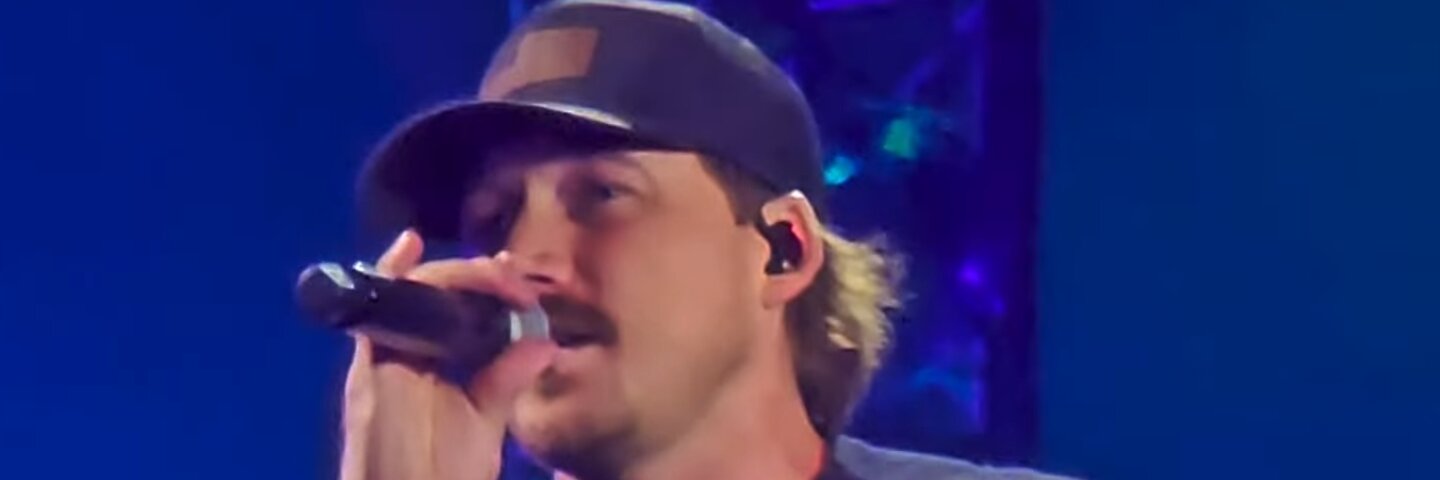
A 2021 TMZ video showed Morgan Wallen using the n-word; he apologized, radio and his label pulled him, and later airplay returned.
- Offense
- 1
- Poll voices
- 0
- Reviewed
- Aug 2026
Open the full file →
N
Mixed record
Sports
The NFL settled Colin Kaepernick’s collusion grievance after anthem protests over police treatment of African Americans, pledged $250 million over 10 years, then faced Brian Flores’s coaching-hire lawsuit.
- Offenses
- 3
- Poll voices
- 0
- Reviewed
- Aug 2026
Open the full file →
N
Reason for concern
Media
MSNBC dropped its Imus simulcast on April 11, 2007, after he slurred the Black Rutgers women’s basketball team and NBC employees and advertisers revolted.
- Offense
- 1
- Poll voices
- 0
- Reviewed
- Aug 2026
Open the full file →
N
Mixed record
Media · NFLX
In 2020 Netflix pledged to put 2% of its cash—initially up to $100 million—into institutions serving Black communities. It later said the $100 million was fully allocated. Those are deposits and investments, not grants.
- Offense
- 1
- Poll voices
- 0
- Reviewed
- Aug 2026
Open the full file →
N
Reason for concern
Insurance
New York Life acknowledges its predecessor insured 520 enslaved people for slaveholders in 1846–1848; the company says it is deeply sorry and ended the practice after two years.
- Offense
- 1
- Poll voices
- 0
- Reviewed
- Aug 2026
Open the full file →
N
Mixed record
Technology · KIND
In 2020 Black users said Nextdoor enabled racial profiling; the CEO told NPR it was “our fault” and the company dropped Forward to Police.
- Offense
- 1
- Poll voices
- 0
- Reviewed
- Aug 2026
Open the full file →
N
Mixed record
Apparel · NKE
Nike made Colin Kaepernick a face of Just Do It after his protest against racial injustice and police brutality, then pledged $40 million to U.S. Black community groups. By 2023 it reported $28.9 million invested.
- Offense
- 1
- Poll voices
- 0
- Reviewed
- Aug 2026
Open the full file →
N
Reason for concern
Consumer goods · BDRFY
Nivea’s 2011 “Re-civilize yourself” ad showed a Black man discarding an Afroed head; a 2017 “White is Purity” post is a separate ethnic-discrimination complaint.
- Offenses
- 2
- Poll voices
- 0
- Reviewed
- Aug 2026
Open the full file →
N
Reason for concern
Retail · JWN
In 2018 Nordstrom Rack apologized after three Black teens shopping for prom in suburban St. Louis were followed, reported to police, and stopped outside with receipts.
- Offense
- 1
- Poll voices
- 0
- Reviewed
- Aug 2026
Open the full file →
P
Reason for concern
Public figure
In a 2013 deposition Paula Deen admitted using the n-word; Food Network dropped her contract.
- Offense
- 1
- Poll voices
- 0
- Reviewed
- Aug 2026
Open the full file →
P
Mixed record
Financial technology · PYPL
PayPal announced $530 million in 2020 to support Black and minority businesses, mostly a $500 million economic-opportunity fund plus smaller emergency grants for Black-owned firms. The headline is investment, not a $530 million gift.
- Offense
- 1
- Poll voices
- 0
- Reviewed
- Aug 2026
Open the full file →
P
Mixed record
Food and beverage · PEP
PepsiCo’s Quaker unit retired the Aunt Jemima brand as a racial stereotype and the parent company pledged more than $400 million over five years for Black communities and representation.
- Offense
- 1
- Poll voices
- 0
- Reviewed
- Aug 2026
Open the full file →
P
Reason for concern
Public figure
In a 2013 GQ interview Phil Robertson said Black people he knew under Jim Crow were “singing and happy”; A&E suspended him indefinitely over the interview.
- Offense
- 1
- Poll voices
- 0
- Reviewed
- Aug 2026
Open the full file →
P
Mixed record
Technology · PINS
In 2020 Ifeoma Ozoma and Aerica Shimizu Banks alleged racial discrimination and retaliation; Pinterest said both were treated fairly.
- Offense
- 1
- Poll voices
- 0
- Reviewed
- Aug 2026
Open the full file →
P
Reason for concern
Apparel
Prada’s 2018 Soho figurines were compared to Blackface; a 2020 NYC human-rights settlement required training and a diversity officer.
- Offense
- 1
- Poll voices
- 0
- Reviewed
- Aug 2026
Open the full file →
P
Mixed record
Consumer goods · PG
P&G made race-bias films including The Talk and created a Take On Race Fund with an initial $5 million in 2020 for groups such as the NAACP Legal Defense Fund and UNCF. The ads are advertising; the $5 million is a company-stated starting gift.
- Offense
- 1
- Poll voices
- 0
- Reviewed
- Aug 2026
Open the full file →
R
Reason for concern
Public figure
In 2018 Roseanne Barr tweeted an ape comparison about Valerie Jarrett, a Black former Obama adviser; ABC cancelled the sitcom.
- Offense
- 1
- Poll voices
- 0
- Reviewed
- Aug 2026
Open the full file →
S
Reason for concern
Retail
In 2023 Saks security in Miami falsely accused Washington Wizards GM Will Dawkins of shoplifting; the company later apologized, fired the guard, and donated to racial-justice groups.
- Offenses
- 2
- Poll voices
- 0
- Reviewed
- Aug 2026
Open the full file →
S
Mixed record
Retail
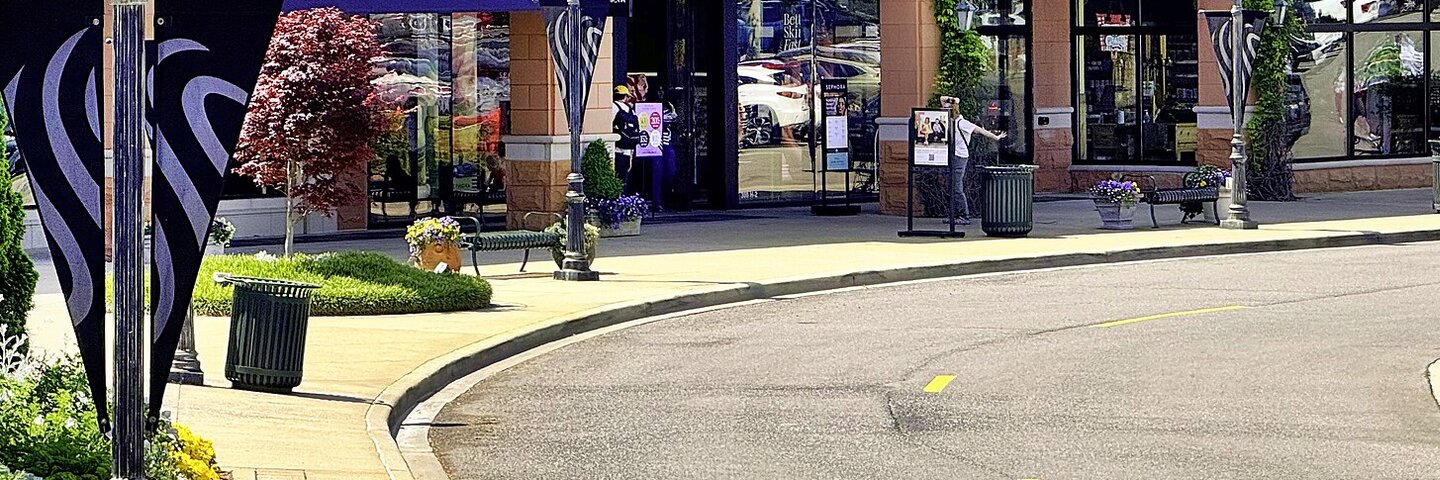
SZA said a 2019 Calabasas Sephora called security as if she were stealing; the company apologized and closed U.S. stores for workshops.
- Offense
- 1
- Poll voices
- 0
- Reviewed
- Aug 2026
Open the full file →
S
Reason for concern
Entertainment
In 2022 viral video showed Sesame Place characters appearing to ignore Black girls; the park apologized, and a Baltimore family sued seeking class status over similar meet-and-greet snubs.
- Offenses
- 2
- Poll voices
- 0
- Reviewed
- Aug 2026
Open the full file →
S
Mixed record
Personal care
In April 2017 Black customers blasted a SheaMoisture “hair hate” ad as whitewashing; the Black-founded brand pulled it and apologized.
- Offense
- 1
- Poll voices
- 0
- Reviewed
- Aug 2026
Open the full file →
S
Reason for concern
Retail
Shein sold a phone case showing a handcuffed Black body in chalk outline and later used a monkey-and-banana icon for the color black—both drew backlash and apologies or removals.
- Offenses
- 2
- Poll voices
- 0
- Reviewed
- Aug 2026
Open the full file →
S
Reason for concern
Restaurants
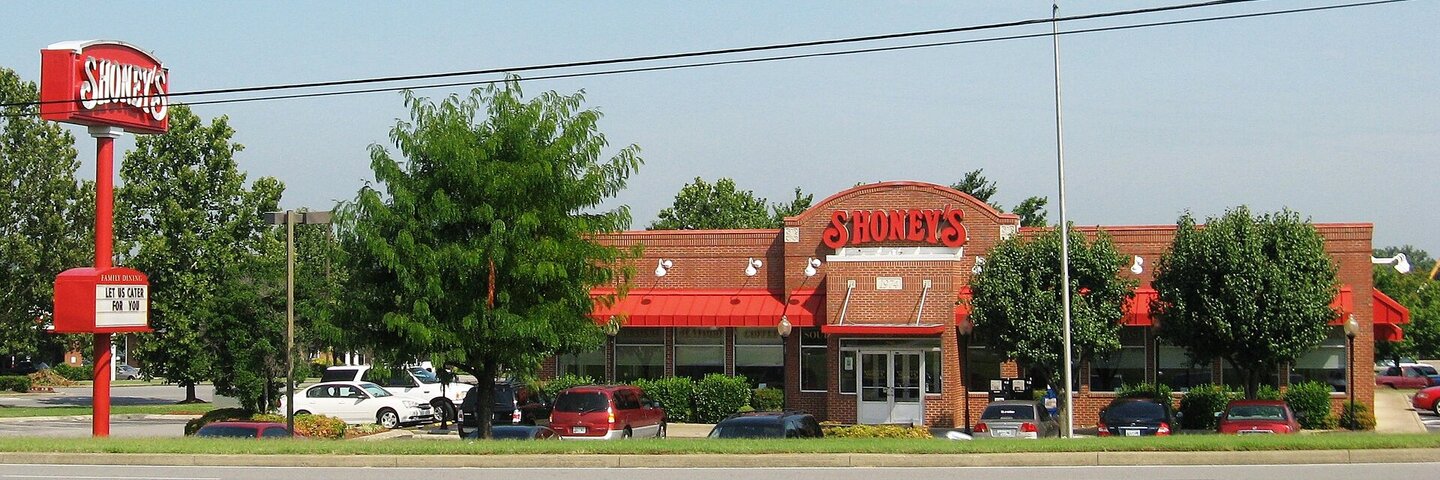
Haynes v. Shoney’s was approved in 1993 as a $105 million settlement for Black workers; some press reported a larger $134 million total.
- Offense
- 1
- Poll voices
- 0
- Reviewed
- Aug 2026
Open the full file →
S
Reason for concern
Entertainment · FUN
In 2004 Six Flags paid about \$5.6 million to settle claims that Magic Mountain’s anti-gang screening racially profiled Black and Latino guests.
- Offense
- 1
- Poll voices
- 0
- Reviewed
- Aug 2026
Open the full file →
S
Mixed record
Coffee and retail · SBUX
Two Black men were arrested at a Philadelphia Starbucks in 2018 while waiting without ordering. The company closed U.S. stores for racial-bias training and later pledged $100 million to a community fund aimed at neighborhoods with limited access to capita
- Offense
- 1
- Poll voices
- 0
- Reviewed
- Aug 2026
Open the full file →
T
Reason for concern
Automotive · TSLA
A federal jury found Tesla liable for racial harassment of a Black Fremont worker. A $137 million award was retried to about $3.2 million; the parties then confidentially settled in 2024. California and the EEOC later sued over alleged plant-wide harassme
- Offenses
- 3
- Poll voices
- 0
- Reviewed
- Aug 2026
Open the full file →
T
Mixed record
Beverages · KO
Coca-Cola paid $192.5 million in 2000 to settle a racial-discrimination suit by Black salaried workers, pledged more spend with Black-owned suppliers in 2020, and in 2021 called Georgia’s new voting law unacceptable after civil-rights pressure.
- Offenses
- 3
- Poll voices
- 0
- Reviewed
- Aug 2026
Open the full file →
T
Reason for concern
Financial services
In February 2016 CFPB and DOJ resolved ECOA claims that Toyota Motor Credit’s dealer-markup policies cost African-American and Asian/Pacific Islander borrowers higher rates, with up to $21.9 million in restitution.
- Offense
- 1
- Poll voices
- 0
- Reviewed
- Aug 2026
Open the full file →
T
Reason for concern
Mortgage lending
In 2022 DOJ and CFPB settled redlining claims against Berkshire-owned Trident Mortgage for about \$24.4 million, including an \$18.4 million loan subsidy fund for neighborhoods of color.
- Offense
- 1
- Poll voices
- 0
- Reviewed
- Aug 2026
Open the full file →
T
Mixed record
Finance · TRMK
Federal agencies resolved alleged Memphis redlining of majority-Black and Hispanic neighborhoods with a $5 million penalty and $3.85 million loan subsidy.
- Offense
- 1
- Poll voices
- 0
- Reviewed
- Aug 2026
Open the full file →
U
Mixed record
Transportation · UBER
Uber pledged $1 million in 2020 to the Center for Policing Equity and the Equal Justice Initiative and said it waived delivery fees for Black-owned restaurants. Those are company-stated actions, not a large racial-equity fund.
- Offense
- 1
- Poll voices
- 0
- Reviewed
- Aug 2026
Open the full file →
V
Mixed record
Telecommunications · VZ
Verizon said in June 2020 it would give $10 million, split among seven civil-rights groups including the NAACP, National Urban League, and NAACP Legal Defense Fund. That is a company-stated one-time foundation gift.
- Offense
- 1
- Poll voices
- 0
- Reviewed
- Aug 2026
Open the full file →
W
Reason for concern
Restaurants
Eddy v. Waffle House alleged a 2000 refusal to serve a Black family; a jury found for the company. A $25,000 EEOC deal was franchisee East Coast Waffles.
- Offenses
- 2
- Poll voices
- 0
- Reviewed
- Aug 2026
Open the full file →
W
Mixed record
Retail · WMT
Walmart pledged $100 million for a Center for Racial Equity aimed at outcome gaps facing Black people, later said that work finished in June 2025, and in November 2024 said it would not extend the center.
- Offense
- 1
- Poll voices
- 0
- Reviewed
- Aug 2026
Open the full file →
W
Reason for concern
Banking · WFC
Wells Fargo settled Justice Department allegations that it discriminated against Black and Hispanic borrowers, and Bloomberg later found a wide 2020 gap in Black refinance approvals.
- Offenses
- 2
- Poll voices
- 0
- Reviewed
- Aug 2026
Open the full file →
Z
Reason for concern
Retail
Zara sold a 2013 blackface-style figurine necklace and in 2015 faced a CPD report alleging Black NYC shoppers were flagged as thieves; the company denied the profiling claims.
- Offenses
- 2
- Poll voices
- 0
- Reviewed
- Aug 2026
Open the full file →